7 Best Compact Transformer Substations for Global Buyers
Choosing the right Compact Transformer Substation is a practical decision, not a simple product comparison. Global buyers must examine voltage levels, transformer capacity, enclosure design, cooling methods, protection systems, and local installation conditions. A substation beside a dusty solar farm faces different risks from one serving a crowded industrial park.
John D. McDonald, an IEEE Fellow and recognized power-system protection specialist, states, “Protection must be designed as part of the system, not added afterward.” This principle matters when comparing compact units. Reliable protection can limit fault damage, reduce downtime, and protect maintenance teams. It also supports safer coordination with upstream and downstream equipment. Small footprint does not mean small responsibility.
This guide reviews seven Compact Transformer Substation solutions for international buyers. Each option is considered through practical criteria, including service access, material quality, thermal performance, monitoring capability, and long-term maintenance. Buyers should also check factory testing, documentation, spare-part availability, and compliance with relevant regional standards. Details matter. A sealed cabinet may resist rain, yet poor ventilation can still shorten component life. A low purchase price may look attractive, but difficult repairs can increase ownership costs.
The ranking is not absolute. Site conditions change the result. Some recommendations may need deeper verification before procurement. That is important. A careful buyer should request drawings, test records, warranty terms, and references from comparable projects. This approach helps turn a compact electrical package into dependable infrastructure, rather than an expensive enclosure with hidden limitations.
What Compact Transformer Substations Are and How They Work
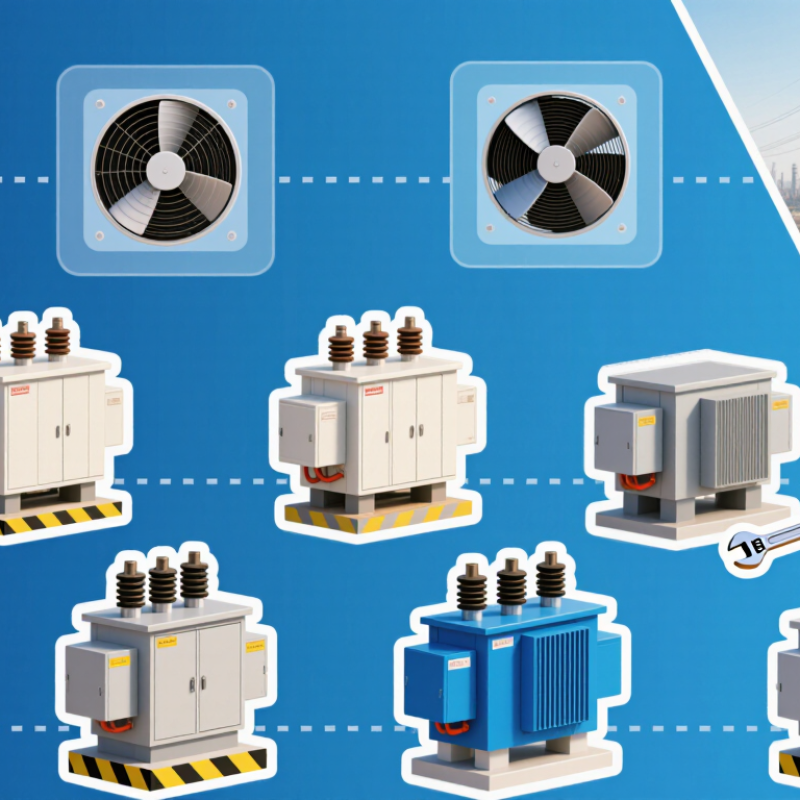
Compact transformer substations combine medium-voltage switchgear, a transformer, and low-voltage distribution equipment in one enclosed unit. They reduce installation space and shorten cable paths. This helps factories, apartment sites, renewable-energy plants, and construction areas. A typical unit arrives assembled, tested, and ready for site connections.
Power enters through medium-voltage equipment, often at 6–35 kV. The transformer lowers the voltage to a usable level for lighting, motors, and control systems. The low-voltage cabinet then distributes electricity through breakers, meters, and protection devices. During a fault, protection equipment isolates the affected circuit. This limits damage and reduces operational risk. Ventilation, insulation, grounding, and enclosure design also matter in dusty, humid, or coastal environments.
Field experience shows that installation quality can matter as much as transformer capacity. Incorrect cable bending, weak grounding, or poor ventilation may cause avoidable failures. Buyers should check load growth, ambient temperature, short-circuit capacity, maintenance access, and local electrical requirements. Compact does not always mean better. That assumption needs review. Some units save space but leave little room for inspection or expansion. Clear drawings, factory testing, and routine thermal checks support dependable operation.
7 Best Compact Transformer Substations for Global Buyers
What Compact Transformer Substations Are and How They Work
Compact transformer substations integrate medium-voltage switching, a distribution transformer, and low-voltage protection in a factory-assembled enclosure. The chart shows seven widely used nominal transformer ratings from 100 kVA to 1,600 kVA. Higher ratings generally support larger commercial, industrial, renewable-energy, and infrastructure loads, while the final selection depends on demand, voltage, cooling, installation conditions, and local grid requirements.
Reference basis: preferred transformer rating series commonly specified under IEC 60076-1; packaged substations are commonly covered by IEC 62271-202.
Key Features That Define a High-Quality Compact Substation
7 Best Compact Transformer Substations for Global Buyers
Key Features That Define a High-Quality Compact Substation
Selecting a compact transformer substation requires more than comparing dimensions and price. In field inspections, I look for safe separation between medium-voltage equipment, the transformer, and low-voltage distribution. This layout limits accidental contact and makes maintenance more controlled. Robust enclosures should resist dust, moisture, corrosion, and local weather conditions. Appropriate IP protection matters, especially in coastal, desert, and monsoon environments.
Thermal management is equally important. Ventilation openings, temperature sensors, and correctly sized cooling systems help prevent premature insulation aging. Reliable substations also include visible earthing points, mechanical interlocks, pressure relief, and coordinated protection settings. Testing should follow applicable requirements, such as IEC 62271 and IEC 60076, alongside local electrical codes. Factory inspection records, routine test reports, and clear wiring diagrams strengthen buyer confidence.
Monitoring adds practical value. Remote temperature, load, and fault indicators can reduce unnecessary site visits. However, compact designs may restrict working space. That weakness deserves honest attention. A smaller footprint is not always better if technicians cannot reach terminals safely. Modular construction, replaceable components, and accessible cable compartments support long-term serviceability. I would also verify spare-part availability, installation training, and emergency procedures before approval. Brochures can look convincing. Actual test evidence matters more.
7 Best Compact Transformer Substations for Global Buyers - Key Features That Define a High-Quality Compact Substation
| Rank | Compact Substation Type | Typical Transformer Rating | MV Voltage | LV Output | Transformer Design | Enclosure Protection | Approx. Footprint | Recommended Application | Key Quality Indicators |
| 1 | Small Urban Compact Unit | 100–250 kVA | 6–12 kV | 400/230 V | Hermetically sealed oil-immersed transformer | IP54 or higher | Approx. 4–7 m² | Residential blocks, small commercial buildings and local service loads | Low footprint, touch-safe compartments, compact RMU, corrosion-resistant housing and easy cable access |
| 2 | General-Purpose Distribution Unit | 250–400 kVA | 10–15 kV | 400/230 V | Mineral-oil immersed, naturally cooled transformer | IP54–IP65 | Approx. 6–10 m² | Retail centers, schools, offices and light commercial facilities | Standardized IEC-compatible equipment, segregated MV/LV sections, clear internal access and efficient ventilation |
| 3 | Industrial Compact Substation | 400–630 kVA | 10–20 kV | 400/230 V | Oil-immersed transformer with off-circuit tap changer | IP54 or higher | Approx. 8–13 m² | Manufacturing plants, warehouses, workshops and process loads | Higher short-circuit withstand, robust busbars, thermal monitoring, flexible feeder configuration and strong earthing provisions |
| 4 | Renewable Energy Collection Unit | 630–1,000 kVA | 10–24 kV | 400/690 V | Oil-immersed transformer designed for variable generation profiles | IP54–IP65 | Approx. 10–16 m² | Solar farms, battery storage sites and distributed generation projects | Outdoor-rated enclosure, wide ambient-temperature tolerance, surge protection, remote monitoring readiness and fire-resistant oil containment |
| 5 | High-Demand Commercial Unit | 1,000–1,600 kVA | 10–20 kV | 400/230 V | Oil-immersed or cast-resin transformer, selected according to fire and installation requirements | IP54 or higher | Approx. 14–22 m² | Shopping complexes, hospitals, data-support facilities and large office buildings | High efficiency, low-noise design, dual incoming options, reliable protection coordination and maintainable LV switchgear |
| 6 | Heavy-Duty Industrial Unit | 1,600–2,000 kVA | 20–24 kV | 400/690 V | Oil-immersed transformer with forced-air cooling option | IP54–IP65 | Approx. 18–28 m² | Steel plants, mining facilities, water-treatment plants and large production lines | High mechanical strength, reinforced base, advanced temperature protection, large cable chambers and serviceable switching equipment |
| 7 | Large-Capacity Modular Unit | 2,000–2,500 kVA | 20–36 kV | 400/690 V | Oil-immersed transformer or multiple-transformer modular arrangement | IP54–IP65 | Approx. 22–35 m² | Large campuses, logistics hubs, infrastructure projects and high-load industrial sites | Expandable architecture, sectionalized busbars, remote-control capability, redundant protection options and straightforward future capacity upgrades |
Selection note: Actual ratings, voltage levels, dimensions, protection classes and cooling arrangements must be confirmed against the applicable utility requirements, installation conditions and project specifications. Common reference standards include IEC 62271-202 for high-voltage/low-voltage prefabricated substations and IEC 60076 for power transformers.
Seven Leading Compact Transformer Substation Configurations
Seven Leading Compact Transformer Substation Configurations
Compact transformer substations reduce site work, cable distance, and installation time. Their value depends on load profile, climate, and maintenance access. Field engineers usually compare seven configurations: integrated kiosk, pad-mounted, skid-mounted, indoor modular, outdoor walk-in, dual-transformer, and mobile substations. Each arrangement serves a different operating condition.
An integrated kiosk combines medium-voltage switchgear, a transformer, and low-voltage distribution in one enclosure. Pad-mounted units suit urban utilities and quiet industrial sites. Skid-mounted systems support factories, mines, and temporary projects with prepared foundations. Indoor modular substations protect equipment from salt, dust, and severe weather. Outdoor walk-in designs offer safer inspection space, but they require more land. Dual-transformer configurations improve load sharing and operational continuity. Mobile substations provide flexible capacity during construction or emergency replacement.
Selection should begin with measured demand, not catalog capacity. A 630 kVA unit may fit today but restrict expansion later. Check short-circuit ratings, ventilation, fire separation, earthing, noise limits, and local grid requirements. Enclosure protection also matters in coastal regions. Small details matter.
In practice, cable bending space is often underestimated. That mistake complicates commissioning. Buyers should request routine-test records, protection settings, material certificates, and a clear maintenance schedule. Standards help, but local inspection rules still control acceptance. The “best” configuration may change after a site survey. That is worth admitting.
Global Buying Factors: Standards, Customization, Cost, and Support
For global buyers, a compact transformer substation is not simply a smaller enclosure. It must match local grid rules, climate, safety practice, and maintenance capacity. Specify IEC or IEEE requirements only after confirming the destination country’s adopted versions.
A familiar certificate may not satisfy the utility. Ask for routine test reports, type-test evidence, drawings, and protection settings. I have seen projects delayed because the promised voltage range differed from the site’s actual network.
Small details matter. Confirm frequency, earthing method, short-circuit level, altitude, ambient temperature, and enclosure rating before ordering.
Customization should solve a measured problem, not decorate the quotation. Buyers may need metering compartments, wider cable entries, corrosion protection, remote monitoring, or different transformer impedance. Each option affects lead time and serviceability.
Compare total cost, not only the factory price. Include transport dimensions, civil works, spare fuses, testing, installation, losses, and five-year maintenance.
A lower bid can become expensive when access doors are awkward or replacement parts are unavailable. Early site photographs and a simple load profile help, although neither is perfect.
Tips:
Request a compliance matrix before signing. Check warranty exclusions carefully. Require clear response times for technical support, spare parts, and fault diagnosis. Ask whether manuals, wiring diagrams, and commissioning guidance are supplied in the required language. Review the service plan with an independent engineer. One overlooked assumption can become a costly field lesson.