Top Benefits of Using Ltcc Stack Press Machine for Manufacturers?
In today's competitive manufacturing landscape, efficiency and precision are paramount. The demand for high-quality production is ever-increasing. This is where the Ltcc Stack Press Machine stands out as a vital asset for manufacturers. It offers a combination of strength, reliability, and advanced technology that enhances productivity.
The Ltcc Stack Press Machine is engineered for creating multilayer ceramic components. It optimizes the stacking process, ensuring consistency and accuracy in each batch. This equipment not only reduces production time but also minimizes waste, making it a sustainable choice. Manufacturers can achieve improved material density and reduced defects, which translates into higher-quality products.
However, some manufacturers may overlook the complexity of integrating advanced machinery. Understanding the full potential of the Ltcc Stack Press Machine requires expertise. It may pose a learning curve for new operators, leading to initial inefficiencies. Addressing these challenges is crucial for reaping the full benefits.
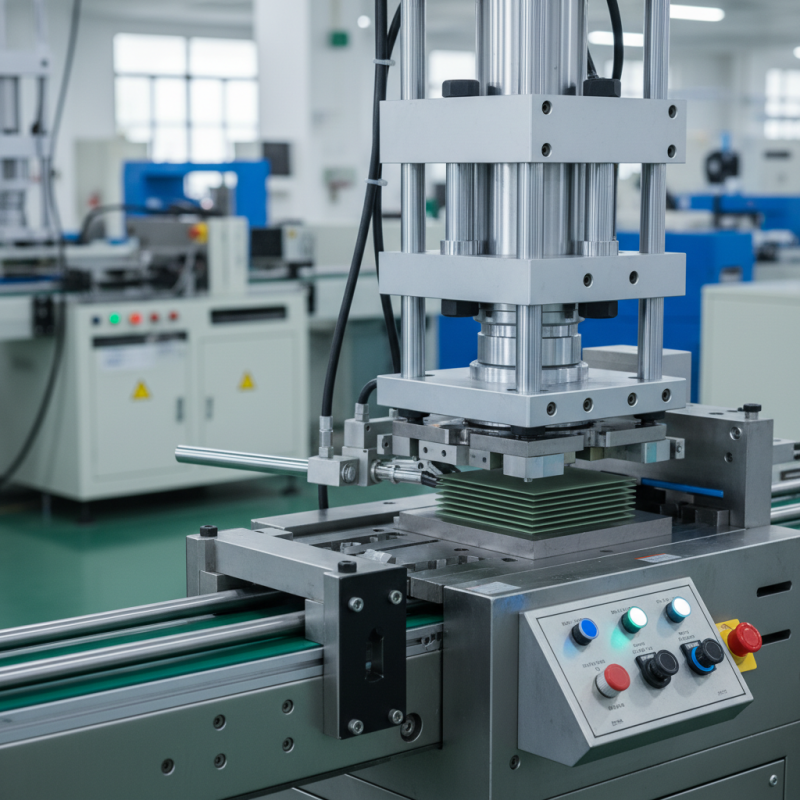
Key Features of Ltcc Stack Press Machines
The LTCC (Low-Temperature Cofired Ceramics) stack press machine offers significant advantages for manufacturers. These machines are integral in producing multilayer ceramic components, which are widely used in electronics. Their precision and consistency lead to improved product reliability, an essential aspect for today's competitive market. Reports indicate that the global market for LTCC technology is expected to grow at a CAGR of 8.5% from 2021 to 2026. This growth highlights the increasing reliance on these technologies in various applications.
Key features of the LTCC stack press machine include enhanced pressure control and adaptable heating profiles. These attributes allow manufacturers to fine-tune the pressing process, optimizing material density and minimizing defects. Such precision can lead to a significant reduction in waste. According to industry data, waste during production can account for up to 20% of material costs. Reducing this waste boosts efficiency and profitability.
Tip: Regular maintenance of these machines can help sustain performance levels. Failing to service equipment on time might lead to unplanned downtimes. It's crucial to schedule preventive checks to enhance productivity. Additionally, training operators in best practices can further improve output quality and reduce errors, ensuring long-term operational success.
Advantages of Using Ltcc Stack Press Machines in Manufacturing
The LTCC stack press machine offers numerous advantages for manufacturers. These machines are designed for efficiency. They ensure consistent pressure across the materials. This leads to uniformity in product quality. Manufacturers can produce complex ceramic components with precision. The ability to handle various sizes and shapes helps in diverse applications.
Tips: Regular maintenance of the press machine is essential. This minimizes downtime and enhances performance. In addition, operators should receive proper training. Understanding the machinery boosts safety and efficiency.
Another benefit is the cost-effectiveness of LTCC stack press machines. They reduce material waste through precise handling. Enhanced automation features mean fewer labor costs. However, it is important to assess the initial investment. Some manufacturers might experience a steep learning curve. Careful planning can help smooth this transition and maximize benefits.
Impact on Production Efficiency with Ltcc Technology
The implementation of LTCC (Low-Temperature Co-fired Ceramic) technology significantly enhances production efficiency for manufacturers. According to a report by Research and Markets, companies utilizing LTCC stack press machines have reported a 30% increase in throughput. The ability to fabricate complex electronic components with precision allows for reduced cycle times. This streamlined process minimizes operational delays, making it more cost-effective.
The LTCC stack press machine also supports the integration of multi-layer designs. This capability reduces the footprint of electronic devices while increasing functionality. A study from the International Journal of Advanced Manufacturing Technology highlights that manufacturers can save up to 20% in material costs by optimizing design through LTCC technology. Efficient production methods make it possible to meet growing market demands without compromising quality.
However, it is crucial to recognize potential challenges. Not all manufacturers may have the expertise to fully leverage LTCC technology, resulting in a steep learning curve. Furthermore, the initial investment might deter some companies. Continuous training and adaptation are key to overcoming these obstacles. Ensuring a skilled workforce is essential for maximizing the benefits of LTCC stack press machines.
Top Benefits of Using Ltcc Stack Press Machine for Manufacturers
| Benefit | Description | Impact on Production Efficiency |
| Increased Precision | Provides consistent and accurate results in manufacturing ceramics. | Enhances product quality and reduces waste. |
| Automation | Allows for automated processes that reduce manual labor. | Increases production speed and lowers labor costs. |
| Material Versatility | Compatible with various materials for different applications. | Expands production capabilities and market reach. |
| Reduced Cycle Times | Streamlines the production cycle for faster output. | Improves overall efficiency and throughput. |
| Energy Efficiency | Utilizes advanced technology to lower energy consumption. | Reduces operational costs and environmental impact. |
Cost-Effectiveness of Ltcc Stack Press Machine Integration
The integration of LTCC (Low-Temperature Co-fired Ceramic) stack press machines brings notable cost advantages for manufacturers. According to industry reports, the adoption of such machines can lead to up to 30% reduction in production costs. This is largely due to their efficiency in ensuring uniform pressure and temperature distribution during the pressing process. Improved precision reduces material waste, optimizing raw material usage and lowering overall expenses.
Moreover, the operational efficiency of LTCC stack press machines enhances productivity. Many manufacturers report increased output rates by approximately 25% after integrating this technology. This boost can significantly impact profit margins. While the initial investment may appear high, the long-term savings on materials, labor, and energy consumption create a compelling case for many production lines.
However, challenges may arise in transitioning to these advanced machines. Workforce training is crucial to maximize the benefits. There can be an initial learning curve, which might lead to temporary dips in productivity. Manufacturers must weigh these factors carefully. Overall, the commitment to adopting LTCC stack press machines is often justified by their long-term economic benefits.
Cost-Effectiveness of Ltcc Stack Press Machine Integration
Applications of Ltcc Stack Press Machines Across Industries
In various industries, the LTCC stack press machine has become pivotal. Its ability to handle high-temperature co-fired ceramics is crucial for electronics. This application significantly enhances efficiency in manufacturing components like capacitors and resistors. The precision of the machine ensures minimal waste and maximizes output. However, the investment cost can be a barrier for some manufacturers.
Another notable application is in the automotive sector. LTCC technology supports the development of sensors and circuit boards that resist extreme conditions. The reliability of these components is key as they impact vehicle safety and performance. Nonetheless, transitioning to LTCC from traditional methods may require time and training for staff. Such adjustments can pose challenges during the initial phase.
In aerospace, LTCC stack press machines help develop high-performance devices. The technology allows for lightweight and compact designs. These characteristics are vital for modern aviation where weight savings are critical. Adapting to these machines may still entail a learning curve. Manufacturers must be prepared to optimize their processes to fully harness the benefits.