
7 Best Engine Mount Cushions for Global Buyers
Engine Mount Cushion selection matters because it affects vibration, noise, alignment, and drivetrain durability. A poor match can create cabin buzzing, cracked brackets, or harsh shifting. Small rubber parts can produce expensive problems.
The global vehicle market makes this decision more complex. According to the International Organization of Motor Vehicle Manufacturers, worldwide production exceeded 93 million vehicles in 2023. That figure includes different engine layouts, road conditions, climates, and manufacturing standards. A cushion designed for a compact gasoline engine may not suit a heavy diesel platform. The same shape does not guarantee the same performance.
Engineering reports from SAE International emphasize dynamic stiffness, damping behavior, fatigue resistance, and temperature exposure in powertrain mount evaluation. These factors deserve more attention than appearance alone. Rubber hardness, void design, hydraulic channels, and mounting geometry can change how an engine behaves under acceleration. They also affect vibration transfer through the chassis. ASTM D395 and related elastomer testing methods provide useful references for compression-set performance, although laboratory results may not fully predict field service.
This guide reviews seven Engine Mount Cushion options for global buyers. It considers material quality, dimensional consistency, load capacity, installation practicality, and supplier reliability. It also examines weather resistance, because heat, oil mist, road salt, and freezing temperatures can shorten service life. There is no perfect universal choice. That assumption fails often. Buyers should verify vehicle compatibility, technical drawings, warranty terms, and test documentation before ordering. A lower price may look attractive, but inconsistent rubber density can become costly after installation.
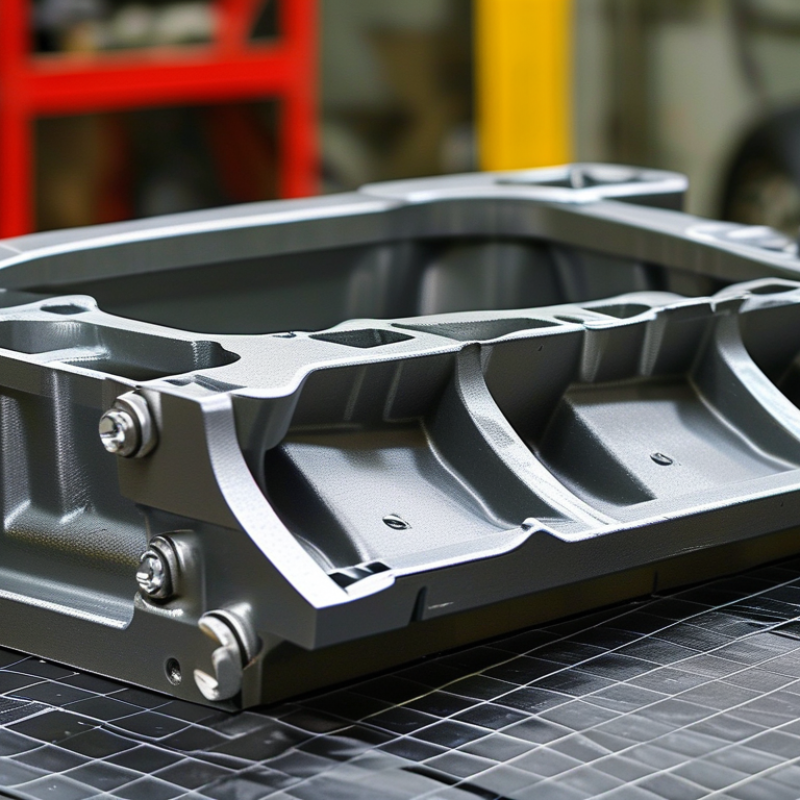
What Engine Mount Cushions Are and How They Protect Vehicles
Engine mount cushions are elastic components that connect an engine to a vehicle’s frame. They sit between rigid mounting points and absorb vibration, impact, and drivetrain movement. Most cushions use rubber, reinforced polymer, or layered materials. Their flexibility allows controlled movement without letting the engine shift excessively.
During acceleration, braking, or rough-road driving, the engine produces strong twisting forces. A healthy cushion reduces these forces before they reach the cabin and chassis. It also helps protect wiring, hoses, exhaust joints, and transmission connections. A cracked cushion may cause clunking, stronger vibration, or visible engine movement. These symptoms can worsen gradually. They are easy to overlook.
A practical inspection should check for surface cracks, oil contamination, separation, and uneven compression. Look underneath after the vehicle cools completely. Excessive movement during a controlled workshop test can also indicate failure. However, diagnosis is not always simple. Worn suspension parts can create similar sounds. A qualified technician should inspect the complete mounting system before replacement. For global buyers, rubber hardness, temperature resistance, load rating, and dimensional accuracy deserve careful attention. A low-cost cushion may fit poorly or harden quickly in extreme climates. Confirming technical drawings and installation guidance reduces that risk. Even good parts need correct torque settings. Installation errors can shorten their service life.
Key Factors Global Buyers Should Check Before Choosing One
Choosing among the 7 best engine mount cushions requires more than comparing prices. Start with load capacity, bolt alignment, rubber hardness, and operating temperature. A cushion that looks strong may still transmit harsh vibration through the cabin. Check the engine weight, torque direction, and available mounting space before ordering. Measure twice.
The SAE technical literature on elastomeric mounts repeatedly links vibration performance with stiffness, damping, and temperature behavior. These properties can change after prolonged heat exposure. ISO 16750-4 also highlights temperature and climatic testing for automotive components, including severe cold and heat cycles. Ask suppliers for test conditions, compression-set results, and fatigue data. Marketing language is not enough. A missing test method should raise concern.
Material choice also matters for global buyers. Natural rubber may offer useful flexibility, while synthetic compounds can provide better resistance to oil, ozone, and high temperatures. The 2024 Grand View Research market analysis places continued growth in automotive engine-mount demand, driven partly by stricter comfort expectations and vehicle electrification. However, market growth does not prove durability. Verify whether the cushion matches diesel, gasoline, hybrid, or electric powertrain loads. Check certificates, batch traceability, warranty terms, and replacement availability in your region. I would not choose the softest cushion automatically; it may reduce vibration today but allow excessive engine movement later.
Seven Engine Mount Cushion Options for Different Vehicle Needs
7 Best Engine Mount Cushions for Global Buyers
Seven engine mount cushion options suit different vehicle needs. OICA reported 93.55 million vehicles were produced worldwide in 2023. That scale means one cushion cannot serve every chassis, climate, and engine layout.
A rubber OEM-style cushion fits daily cars and offers balanced comfort. A hydraulic cushion controls vibration more effectively during idle. A polyurethane cushion provides firmer response for demanding road use. A reinforced rubber cushion suits vans, pickups, and heavier engines. A torque-strut cushion limits forward movement during acceleration. A heat-resistant composite cushion helps vehicles operating near exhaust components. An adjustable universal cushion can support older or modified vehicles, but measurement must be exact. S&P Global Mobility reported a 12.6-year average vehicle age in the United States during 2024. Older vehicles often need replacement parts that tolerate corrosion, fatigue, and imperfect alignment.
Tips: Check engine weight, bolt spacing, rubber hardness, and fluid resistance before ordering. Compare the original cushion’s height and stud position. Hydraulic designs may feel smoother, but leaks can develop. Polyurethane may last longer, yet it can transmit more cabin vibration. I usually prefer a matched set when several mounts show cracking. That judgment can be wrong. A technician should inspect the bracket and subframe first. Look for test information covering temperature cycling, compression, and vibration durability. Regional standards and installation instructions also deserve attention.
7 Best Engine Mount Cushions for Global Buyers - Seven Engine Mount Cushion Options for Different Vehicle Needs
| No. | Engine Mount Cushion Option | Construction | Typical Vehicle Applications | Vibration Isolation | Load and Motion Control | Main Advantages | Selection and Inspection Notes |
|---|---|---|---|---|---|---|---|
| 1 | Bonded Rubber Mount | Natural or synthetic rubber bonded between steel brackets or plates. | Passenger cars, light commercial vehicles, compact petrol and diesel engines. | High Good isolation of ordinary engine vibration across a broad operating range. | Provides balanced vertical, lateral and fore-aft support when correctly sized. | Simple design, widely available, quiet operation and generally easy installation. | Check for rubber cracking, separation from the metal plate, excessive sagging and oil contamination. Confirm bolt spacing, stud location and rated load before purchase. |
| 2 | Hydraulic Engine Mount | Rubber chamber containing hydraulic fluid, usually with internal passages or a tuned valve. | Modern passenger vehicles and vehicles requiring improved idle comfort. | Very High Fluid damping helps reduce low-frequency vibration and harshness. | Controls engine movement while allowing carefully tuned compliance. | Excellent comfort, effective damping and good control of vibration during idle and acceleration. | Inspect for fluid leakage, collapsed rubber, abnormal engine movement and deterioration around the housing. Fluid leakage normally indicates replacement rather than repair. |
| 3 | Polyurethane Mount | Molded polyurethane elastomer, commonly combined with metal sleeves or brackets. | Performance cars, modified vehicles, light trucks and applications needing increased stiffness. | Medium Usually transmits more cabin vibration than a softer rubber mount. | Strong resistance to engine movement during acceleration, braking and gear changes. | High resistance to oil, abrasion and compression set; useful where sharper response is preferred. | Choose hardness carefully. Higher stiffness can increase noise, vibration and harshness. Verify compatibility with the vehicle’s original mount geometry and surrounding components. |
| 4 | Solid Rubber Mount | Dense rubber block or puck with a simple metal sleeve, stud or mounting plate. | Older vehicles, utility vehicles, industrial equipment and low-complexity engine installations. | Medium to Low Durable support with less isolation than a tuned or hydraulic design. | High static stiffness and reliable control of engine movement under steady loads. | Robust, economical and less sensitive to fluid leakage or complex internal failure. | Check the rubber hardness, compression height, bolt diameter and clearance. Avoid over-tightening, which can preload and damage the cushion. |
| 5 | Torque Strut Mount | Short link containing rubber or polyurethane bushings, usually installed between the engine and chassis. | Front-wheel-drive cars and vehicles with noticeable powertrain rocking during throttle changes. | Medium Primarily controls movement rather than providing the main source of isolation. | Very effective at limiting fore-aft rotation, commonly called engine torque roll. | Improves shift feel, throttle response and drivetrain stability when the original bushing is worn. | Inspect both the bushing and the connecting bracket. Excessive play, torn rubber or clunking during acceleration may indicate wear. It should be used with, not instead of, the main engine mounts. |
| 6 | Vacuum-Controlled Hydraulic Mount | Hydraulic mount with a vacuum-operated valve that changes damping characteristics under different conditions. | Passenger vehicles designed for different idle, cruising and acceleration comfort requirements. | Very High Can provide softer isolation at idle and firmer control during load changes. | Adaptive damping improves the balance between comfort and powertrain control. | Useful for vehicles with strict comfort requirements and changing operating conditions. | Check vacuum hoses, control valves, electrical or pneumatic controls and fluid leakage. A failed control line can affect mount performance even when the rubber body looks intact. |
| 7 | Active or Electronically Controlled Mount | Hydraulic or elastomeric mount combined with an electrically controlled actuator or variable damping system. | Premium passenger vehicles, hybrid vehicles and vehicles with advanced vibration-control systems. | Very High Designed to counter selected vibration frequencies and operating conditions. | Provides electronically managed control of engine movement and vibration. | Best suited to applications requiring high refinement across idle, cruising and acceleration. | Requires exact vehicle compatibility and may need electronic diagnosis or calibration. Inspect wiring, connectors, fault codes, leakage and mounting alignment before replacement. |
How to Compare Materials, Fit, Durability, and Vibration Control
Choosing among the seven best engine mount cushions requires more than checking the lowest price. Material selection matters first. Natural rubber offers strong elasticity and low-cost damping. EPDM handles heat, ozone, and weather better. Polyurethane usually resists compression and oil exposure, but it can transmit more road vibration. ASTM D395 evaluates compression set after controlled heat exposure, while ASTM D412 measures tensile strength and elongation. These tests reveal useful performance data, not the full driving experience.
Fit is equally important. Measure bolt spacing, cushion height, sleeve diameter, and engine weight before ordering. A mount that looks correct may still preload the chassis or leave the engine misaligned. ISO 10846 provides a recognized method for measuring vibration transfer stiffness across frequency ranges. Lower stiffness can improve idle comfort, while higher stiffness may control movement during acceleration. Durability also depends on temperature cycles, fluid contact, and repeated engine torque. ISO 16750 environmental tests are useful references for these conditions. Still, laboratory results are not road proof. I have seen soft cushions feel excellent at idle, then sag after sustained heat. A careful buyer should compare tested load ratings, hardness, compression-set results, and warranty terms. One specification rarely tells the whole story.
7 Best Engine Mount Cushions for Global Buyers
Compare typical material behavior across fit adaptability, durability, vibration control, and heat resistance. Scores use a 1–10 comparative engineering index based on commonly published characteristics of each material family; actual performance depends on geometry, hardness, bonding, load, and temperature.
Selection guide: Natural rubber generally offers strong vibration isolation and low cost. NBR is useful where oil resistance matters. EPDM and silicone perform well in hot or weather-exposed environments. Polyurethane provides high load capacity and wear resistance but can transmit more vibration. Hydraulic elastomer mounts can deliver excellent low-frequency isolation when properly tuned. Always verify mounting geometry, Shore hardness, dynamic stiffness, temperature range, and fluid compatibility before purchase.
Installation, Maintenance, and International Purchasing Considerations
Choosing among seven engine mount cushions starts with fit, not appearance. In workshop inspections, I measure bolt spacing, cushion height, stud diameter, and clearance. The mount must match engine weight and vibration direction. A slightly softer cushion may reduce idle vibration, yet it can allow excess movement during acceleration. Check vehicle service data and supplier drawings together. Do not rely on a photograph. It often hides a critical offset. Good installation begins before the part arrives.
During installation, support the engine with rated lifting equipment and keep the load stable. Never force studs through misaligned holes. Loosen nearby mounts when alignment requires controlled movement. Tighten fasteners to the vehicle maker’s torque values with a calibrated wrench. Inspect washers, sleeves, threads, and metal brackets for cracks or distortion. After lowering the engine, check hose tension, exhaust clearance, and fan spacing. A short road test should include idling, gentle acceleration, and braking. I sometimes recheck torque after heat cycles. This step is easy to overlook.
For international purchasing, send exact dimensions, material expectations, load rating, operating temperature, and quantity. Ask for inspection reports, packaging photos, production dates, and traceable batch numbers. Confirm shipping terms, destination duties, insurance, lead time, and replacement procedures in writing. Verify whether the cushion is sold singly or as a matched set. Export documents should describe the product accurately. Samples are useful, but one sample cannot prove long-term durability. I have approved parts too quickly before. That mistake taught me to compare data, not promises. Maintenance should include checks for sagging, torn rubber, oil swelling, and unusual vibration.


