Best PCB Printing Techniques for Global Buyers to Consider?
In today’s electronics landscape, PCB printing is a critical process for manufacturers worldwide. The global demand for printed circuit boards has surged, projecting a market value of over $80 billion by 2026, according to industry analysts. This growth necessitates an understanding of the best PCB printing techniques available.
One major factor driving this industry expansion is the miniaturization of electronic devices. Companies increasingly rely on advanced PCB printing technologies, such as additive manufacturing and high-density interconnect (HDI) techniques. These methods not only enhance efficiency but also cater to consumer needs for compact, high-performance products.
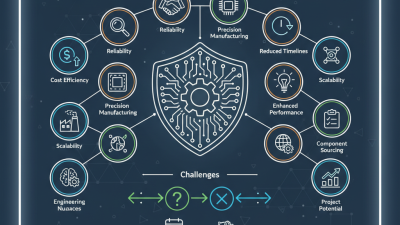
However, businesses must navigate the complexities of choosing the right PCB printing technique. Some methods may not deliver consistency, leading to reliability issues. As manufacturers consider global factors and sourcing, understanding these intricacies becomes vital to maintaining competitive advantage. Thus, a careful analysis of PCB printing options is essential for achieving both quality and cost-effectiveness.
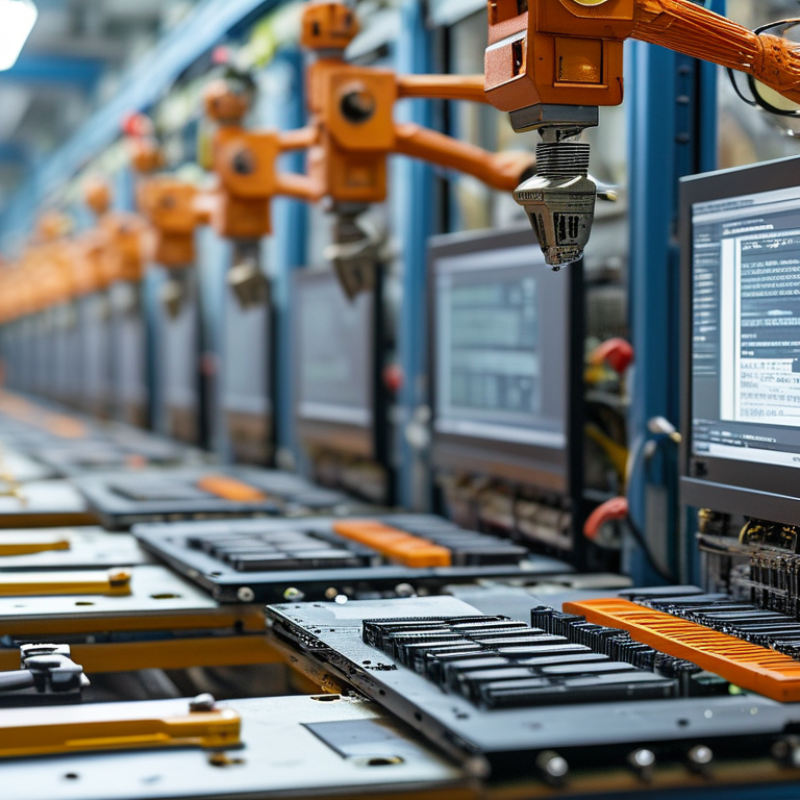
Best PCB Printing Techniques for Global Buyers to Consider
PCB printing has evolved significantly, offering various techniques suited for diverse applications. Understanding these options is crucial for global buyers. According to a recent IPC report, the global PCB market is expected to reach $75 billion by 2026. This growth indicates an increasing demand for reliable and efficient PCB manufacturing methods.
One widely adopted technique is screen printing. It is favored for its cost-effectiveness and simplicity. However, screen printing can have limitations, such as longer setup times. Another common method is digital printing, which allows for rapid prototyping and customization. Industry data shows that digital printing is seeing a substantial uptick, with a growth rate projected at 24% annually. Buyers must consider these factors when deciding on printing techniques.
Moreover, the rise of high-density interconnect (HDI) PCBs is notable. HDI boards offer improved performance but may require specialized printing processes. Not all manufacturers can meet these standards, leading to potential inconsistency in quality. By evaluating each technique’s strengths and weaknesses, companies can better align their manufacturing processes with market demands, ultimately enhancing their competitive edge.
Overview of PCB Printing Techniques: An Industry Perspective
The domain of printed circuit board (PCB) printing has evolved significantly, showcasing diverse techniques, each with its unique benefits. Reel-to-reel printing remains a favored method, particularly in high-volume settings. It's efficient and can drastically reduce production costs. According to industry reports, up to 75% of manufacturers now utilize automated processes, highlighting a shift towards efficiency and precision in PCB production.
Screen printing is another common technique, praised for its versatility. It allows for complex designs with varying thickness. However, it may not be ideal for intricate components. An estimated 30% of engineers face challenges with scalability when using screen printing. This implies that while it works well for some projects, it can hinder progress in mass production scenarios.
Although direct imaging is gaining traction, it is not without its flaws. This method enhances accuracy but can be pricey. Market data suggests that about 15% of companies experience return on investment (ROI) issues with this technology. In contrast, traditional methods like photolithography still hold strong, as 40% of companies prefer them for their balance of cost and quality. This landscape illustrates the ongoing debate in PCB printing approaches. Balancing cost, quality, and production capacity is essential for global buyers considering their options.
Comparing Traditional vs. Modern PCB Printing Methods
In the evolving world of electronics, PCB printing techniques play a crucial role. Traditional methods like screen printing remain popular due to their established reliability. They involve manually creating stencils, which can lead to variations in quality. Even experienced operators may encounter challenges like misalignment or inconsistent paint application. These issues can affect product performance and longevity.
On the other hand, modern methods such as digital printing and additive manufacturing offer promising advantages. Digital techniques allow for quicker turnaround times and greater design flexibility. They can also minimize waste, which is often a concern with traditional methods. However, the technology is still maturing. Companies may face uncertainty about long-term durability and overall costs. It is essential for buyers to weigh these factors when selecting a printing method.
Investors should consider the specific needs of their projects. Traditional methods provide proven results but may lack the innovation of modern techniques. As the industry evolves, the right choice will depend on balance: reliability versus technology. Each approach has its merits and challenges, requiring careful reflection.
The Role of Material Selection in PCB Printing Quality
Material selection plays a crucial role in the quality of printed circuit boards (PCBs). Different materials impact conductivity, thermal performance, and longevity. For instance, reports indicate that the use of high-grade FR-4 materials can enhance reliability. FR-4 composites, a staple in the industry, are known to perform well in a wide range of applications. Choosing these materials often results in better signal integrity and reduced loss.
The choice of substrates also affects the overall performance. Polyimide substrates, for example, withstand high temperatures, making them suitable for advanced applications. A study highlighted that using polyimide can boost the thermal cycle reliability of PCBs by up to 30%. Yet, selecting these premium materials incurs higher costs. Many buyers struggle between quality and budget.
When printing PCBs, consider solder mask materials. They are vital for preventing short circuits and enhancing durability. Some manufacturers overlook this aspect, leading to increased failure rates. Solder mask selection can make or break the end product.
Optimally, buyers should balance cost with quality. Regularly assess material suppliers to ensure compliance with evolving industry standards. Staying updated on material technology can prevent substandard products, fostering long-term partnerships. Always prioritize reliability over initial savings.
Best PCB Printing Techniques for Global Buyers to Consider? - The Role of Material Selection in PCB Printing Quality
| Technique |
Material Used |
Printing Quality |
Common Applications |
| Silkscreen Printing |
Polymer Inks |
High Fidelity |
Component Markings |
| Screen Printing |
Epoxy Inks |
Durable |
Solder Masks |
| Inkjet Printing |
Conductive Inks |
Medium Fidelity |
Prototyping |
| Laser Printing |
Thermal Transfer Materials |
High Precision |
Fine Pitch Circuits |
| Flexographic Printing |
Water-Based Inks |
Economical |
Flexible PCBs |
Emerging Technologies in PCB Printing: A Market Analysis
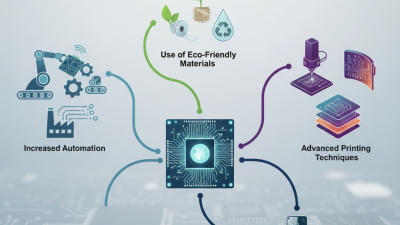
The PCB printing industry is witnessing rapid changes due to emerging technologies. Recent market analysis indicates that additive manufacturing is transforming traditional PCB fabrication methods. This innovation allows for more intricate designs and reduced waste. According to a 2022 report by IDTechEx, the market for 3D printed electronics is projected to reach $7 billion by 2027. This shift emphasizes the importance of flexibility in production.
Another trend is the increase in demand for printed electronics. As consumer electronics evolve, so do the requirements for PCBs. The global market for flexible PCBs alone is expected to grow at a CAGR of 12.4% from 2023 to 2030, as per ResearchAndMarkets. Companies must adapt to these shifts or risk falling behind. However, despite these advancements, challenges remain. The integration of new technologies can strain resources. Many manufacturers face difficulties in securing skilled labor to manage sophisticated processes.
Sustainability is also a critical area to explore. The push for eco-friendly materials is gaining momentum. A survey conducted by IPC reported that over 70% of manufacturers are looking for greener options in PCB fabrication. Despite this, the transition can be daunting. Decision-makers must weigh the benefits against the costs of implementing sustainable practices. The PCB printing landscape is complex, yet filled with opportunities for those willing to invest in future technologies while acknowledging potential barriers.
Conclusion
The article "Best PCB Printing Techniques for Global Buyers to Consider" offers a comprehensive overview of the various PCB printing methods available in the market today. It contrasts traditional approaches with modern techniques, highlighting advancements that enhance quality and efficiency. A significant focus is placed on the selection of materials, which plays a crucial role in determining the overall quality of PCB printing.
Additionally, the article explores emerging technologies in PCB printing, providing market analysis that outlines trends and innovations shaping the future of the industry. Cost efficiency and sustainability are also emphasized as key factors in PCB production techniques, underscoring the need for global buyers to consider both economic and environmental impacts in their purchasing decisions. Overall, this article serves as a vital guide for stakeholders in the PCB printing sector.