What are the Best Surge Protection Devices of 2026?
In an era where electronic devices dominate our lives, the demand for effective Surge Protection Devices (SPDs) has surged as well. Recent industry reports indicate that electrical surges can occur unexpectedly, damaging sensitive equipment. A study by the Electrical Safety Foundation International revealed that power surges cause over $1 billion in losses each year for businesses alone. The right SPD can significantly mitigate this risk.
Despite the advancements in technology, many consumers remain unaware of the best solutions available. The market offers various products, each claiming to provide superior protection. But, not all surge protection devices are created equal. Some are built for residential use, while others accommodate industrial applications. Understanding these differences is crucial for making informed decisions.
As we explore the best surge protection devices of 2026, it is essential to analyze their performance and value. Many devices may fall short of expectations due to insufficient ratings or flawed designs. Consumers must evaluate each device critically, balancing features with actual needs. A robust SPD not only protects equipment but also enhances the longevity of investments. Choosing wisely can turn potential hazards into a well-managed risk.
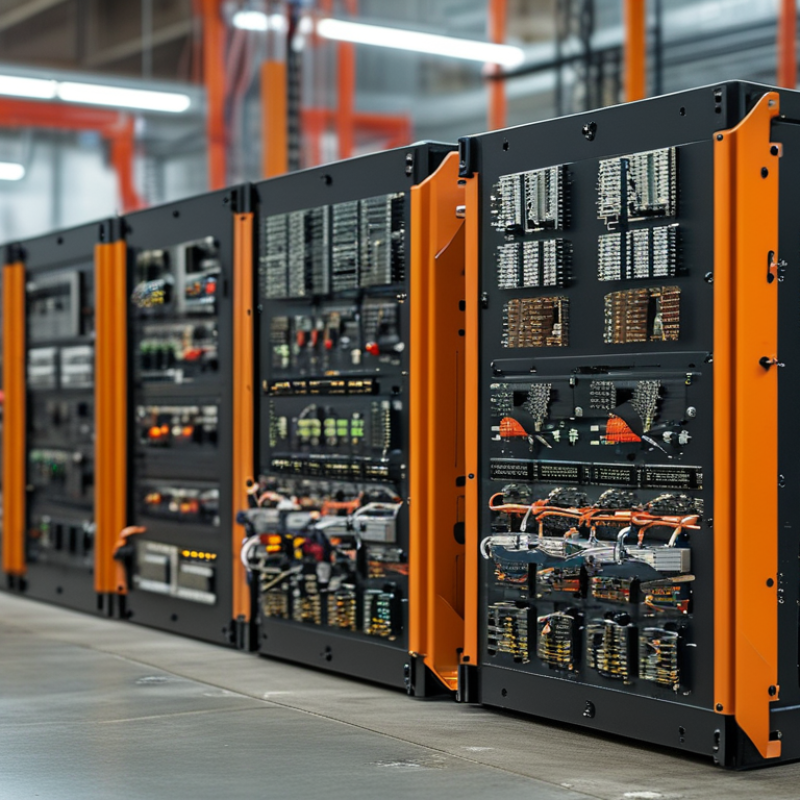
Overview of Surge Protection Devices: Importance and Functionality
Surge protection devices (SPDs) play a vital role in safeguarding electronic equipment from voltage spikes. Such spikes can occur due to various reasons, including lightning strikes, power outages, or faults in the power supply. According to the Electrical Safety Foundation International (ESFI), electrical surges can cause significant damage, leading to costs exceeding $1 billion annually for repairs and replacements.
The functionality of SPDs is based on their ability to divert excess voltage away from connected devices, thus preventing damage. These devices typically consist of a metal oxide varistor (MOV), which is essential in clamping transient spikes. A study published in the IEEE Transactions on Power Delivery indicates that devices with better clamping voltage ratings can significantly reduce the risk of equipment failure during surge events. This means that not all SPDs are equally effective; understanding specifications is crucial.
While many users overlook surge protection, it's essential to reassess our complacency. Devices can fail, and some may not offer adequate protection against high-energy surges. A survey by the National Fire Protection Association (NFPA) noted that over 50% of respondents did not realize their importance. Increasing awareness and education about proper surge protection can help mitigate risks. Investing in high-quality SPDs should be a priority in any home or business to ensure prolonged device lifespan and safety.
Key Features to Consider When Choosing Surge Protection Devices
Surge protection devices (SPDs) are essential for safeguarding electronics. When choosing SPDs, consider key features that enhance protection. Look for voltage ratings. A device should handle at least 600 volts. This ensures your electronics aren’t damaged during sudden voltage spikes.
Another important factor is the energy absorption capability, measured in joules. Reports from the Electrical Safety Foundation note that devices with a joule rating above 1,000 are often recommended. This means better protection for sensitive devices like computers and home theaters. Features like indicator lights help users know when protection is active or compromised.
Finally, response time matters. The faster a device responds to a surge, the better the protection it offers. Fast-acting SPDs can react in nanoseconds, critical for sensitive equipment. Not all products measure up in performance. It’s vital to investigate reliable testing certifications. Ultimately, understanding these features will help you make an informed choice for your home or office.
Top Surge Protection Devices of 2026: Market Analysis and Reviews
In 2026, the demand for surge protection devices is rising sharply. The global surge protection devices market is projected to reach $2.7 billion by 2027, driven by the increasing reliance on electronic devices. Homes and offices alike are investing significantly in protection against voltage spikes. A report by Allied Market Research predicts a compound annual growth rate (CAGR) of 7.5% in this sector.
Choosing the best devices involves more than just looking at reviews. Expert recommendations suggest evaluating features like response time and energy ratings. For instance, devices with faster response times can effectively mitigate risks. A study by the Electric Power Research Institute notes that surge events can damage equipment costing upwards of $100,000. This highlights the necessity for reliable surge protection, especially for businesses.
Not all surge protectors perform equally. Some models fall short in real-world scenarios, exposing users to potential risks. Though highly rated devices often promise protection, their performance can vary based on conditions. It's crucial to research and consider expert analyses, rather than relying solely on consumer reviews. Understanding the intricacies of surge protection can lead to better investment decisions.
Industry Standards for Surge Protection: Compliance and Certification
Surge protection devices play a crucial role in shielding electronic equipment. Understanding industry standards is vital for proper selection. These standards determine a device's performance and reliability. Various organizations set these benchmarks, ensuring devices can handle voltage spikes effectively. Compliance with standards assures users of the product's quality.
Certification from credible organizations adds to the authority of these devices. A certified product undergoes rigorous testing. This process checks for durability and reliability under different conditions. However, many consumers overlook this aspect. They may focus solely on the price rather than the protection level. It's crucial to understand that cheaper options may lack effective safeguards.
Many consumers remain unaware of the diverse types of surge protectors available. Some devices only protect against minor surges, while others guard against major spikes. A thorough understanding of these differences aids in making informed choices. Often, individuals underestimate the risks associated with electrical surges. Awareness and education can lead to better investment in surge protection.
Consumer Insights: Trends and Preferences in Surge Protection Devices
Surge protection devices (SPDs) are crucial for safeguarding electronics from voltage spikes. Recent consumer surveys reveal an increasing awareness of these devices. According to a 2023 industry report, 72% of homeowners now consider surge protection essential. This represents a 20% increase from previous years. People understand the risks associated with power surges, especially with more devices connected to their home networks.
Interestingly, technology preferences shape the market. A survey indicated that 55% of consumers prefer SPDs that integrate with smart home systems. Users value the convenience of monitoring their devices remotely. However, some still hesitate due to cost concerns. Affordability remains a barrier for about 30% of potential buyers. Consumers often question the long-term benefits versus the initial investment.
As the market evolves, manufacturers should listen to consumer needs. There’s a growing expectation for enhanced features, such as Wi-Fi connectivity and app integration. Despite advancements, many consumers express doubt about the effectiveness of budget models. Industry experts recommend evaluating certifications and performance metrics. This encourages informed decision-making among consumers, leading to smarter purchases.