How to Choose the Best Cable Track for Your Industrial Needs?
Choosing the right Cable Track is vital for any industrial setting. With the global market for cable management systems expected to reach $42.9 billion by 2028, the demand for effective cable tracks has surged. Industries like manufacturing and automation heavily rely on these systems for operational efficiency.
Cable tracks protect essential cables and improve workflow. However, making the right choice requires careful consideration of various factors. For example, selecting a track that accommodates the specific types of cables in use is crucial. Tracking and supporting cables can significantly impact equipment lifespan and productivity.
It's important to note that not all cable tracks are created equal. Misjudging the requirements could lead to inefficiencies. Research shows that improper installation or selection can reduce system performance by up to 30%. With this in mind, investing time in understanding your needs ensures you select the best cable track for your industrial environment.
Understanding the Different Types of Cable Tracks Available
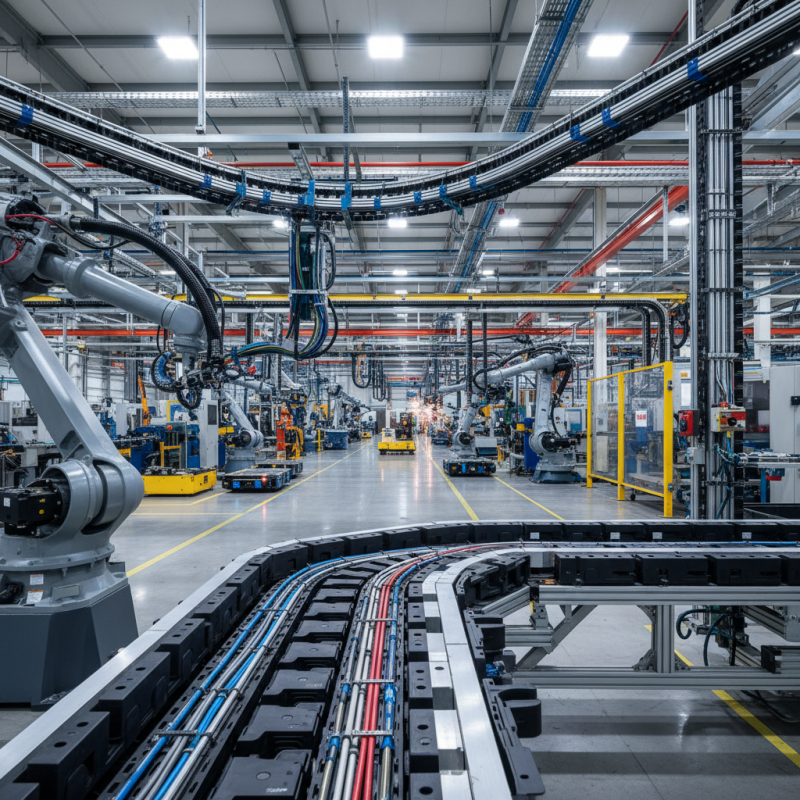
When selecting a cable track for industrial applications, understanding the types available is vital. There are several main categories. First, you’ll find modular tracks. These tracks are customizable and easy to install. They allow for flexibility in design and layout. Many industries favor these for their adaptability.
Secondly, there are enclosed tracks. These offer superior protection against contaminants like dust and moisture. This makes them ideal for environments where conditions can be harsh. Meanwhile, non-enclosed tracks are simpler and often lighter. They may be suitable for applications with less exposure to physical elements.
Each type has its pros and cons. Modular tracks can sometimes lead to higher initial costs. Enclosed tracks are heavier, which might affect mobility. Non-enclosed options might not provide enough protection in critical areas. It's essential to weigh these factors carefully and make informed decisions based on your specific needs.
Comparison of Different Types of Cable Tracks
This bar chart compares the durability ratings of various types of cable tracks commonly used in industrial applications. These ratings can help in determining the most suitable cable track for specific operational needs.
Assessing Your Industrial Environment Requirements for Cable Tracks
When selecting the best cable track, understanding your industrial environment is crucial. The space in which you operate will influence the type of cable management system that works best. For instance, did you know that according to a recent report by the International Society of Automation, nearly 30% of cable failures are linked to improper routing? This highlights the importance of choosing a track that fits your specific needs.
Consider the layout of your workspace. Do you operate in a dusty, wet, or hazardous environment? Each condition demands different materials and designs for cable tracks. Stainless steel options may work well in wet environments, while plastic tracks may suffice in cleaner conditions. Be cautious, though. Sometimes, a low-cost option can lead to high maintenance costs later. Analyze the long-term applicable costs to ensure reliability.
Tip: Always measure the dimensions accurately. A slight miscalculation can lead to overheating or damage.
The capacity for movement is another key factor. If you have machinery that moves frequently, your track must accommodate that range without wear. Flexible tracks might be tempting, but they can sometimes underperform in dynamic settings. Ensure your choice aligns with operational demands and safety protocols.
Tip: Consult with industry experts. Gathering insights can improve your decision-making.
Evaluating Material Durability and Load Capacity of Cable Tracks
When selecting a cable track for industrial applications, evaluating material durability and load capacity is crucial. Industrial cable tracks often face extreme conditions, including temperature fluctuations, dust, and chemical exposure. According to a report by the International Journal of Industrial Engineering, materials such as thermoplastic polyurethane (TPU) and polyamide (nylon) offer enhanced durability under harsh environments. TPU, for instance, shows superior resistance to abrasion and wear, making it ideal for high-stress applications.
Load capacity is another critical factor. A study published by the American Society of Mechanical Engineers highlights that selecting the appropriate cable track involves understanding not just the weight of the cables but also the dynamic forces in play. Factors like bend radius and installation orientation can affect load capacity. For example, cable tracks installed on horizontal planes often bear different loads compared to vertical installations. This might lead to underestimation of required strength, resulting in premature wear or failure.
Lastly, it’s important to consider the environment in which the cable track will operate. While many materials have high tensile strength, they may not perform well in corrosive conditions. Research indicates that some plastic materials begin to lose structural integrity after prolonged exposure to certain chemicals. Therefore, thorough evaluation and testing of both material properties and load capabilities ensure a reliable choice tailored to specific industrial needs.
How to Choose the Best Cable Track for Your Industrial Needs?
| Material | Durability Rating | Load Capacity (Kg) | Usage Temperature Range (°C) | Ideal Application |
| Polyamide (PA) | High | 70 | -40 to 120 | Robotics |
| Polyurethane (PUR) | Medium | 100 | -20 to 80 | Machine Tools |
| Aluminum | Very High | 200 | -20 to 250 | Heavy Machinery |
| Steel | Very High | 300 | -20 to 400 | Construction |
| Nylon | Medium | 60 | -30 to 85 | Automotive |
Analyzing Cable Management Features for Operational Efficiency
Choosing the right cable track for your industrial environment is crucial for maintaining operational efficiency. Effective cable management can prevent tangling and reduce downtime. A well-designed cable track system should allow for easy access and maintenance. Consider cable pathways that promote airflow. This can prevent overheating and prolong the life of your equipment.
Evaluate the materials used in cable track systems. Durable materials can withstand heavy usage and harsh environments. Flexibility in design is also important. A cable track that can adapt to different layouts will enhance your operation. Look for features like adjustable mounting options. These can accommodate various cable sizes and configurations.
While many systems claim to be ideal, not all will meet your specific needs. Testing a few options in your workplace is essential. Track your workflow and assess any bottlenecks. Sometimes, a simple adjustment, like repositioning cables, can make a difference. Keep an eye on wear and tear. Regular inspections will help identify potential issues before they become serious problems. This proactive approach will ensure your operations run smoothly.
Selecting the Right Size and Configuration for Your Applications
Choosing the right size and configuration for cable tracks is vital for industrial applications. Proper sizing can impact efficiency and safety. A study by the American Society of Mechanical Engineers shows that poorly sized cable tracks can increase maintenance costs by 25%. Furthermore, it may lead to equipment failure, halting production lines.
When selecting a cable track, consider the bending radius. The minimum bend radius should be at least ten times the outer diameter of the cable. This ensures longevity and prevents damage. The track's width must accommodate all cables, leaving room for expansion. According to industry standards, a 20% extra capacity is advisable.
Also, evaluate the environment where the track will be used. Extreme temperatures, humidity, and exposure to chemicals can affect material choice. Many options exist, yet not all are suitable for rugged conditions. Reflecting on previous choices can reveal flaws in the decision-making process. Analyzing past experiences and the performance of cable tracks will lead to better future selections.