Top PCB Fabrication Manufacturers Worldwide?
Choosing among the top PCB fabrication manufacturers worldwide requires more than comparing factory size or annual revenue. A reliable evaluation should examine process control, engineering depth, certifications, delivery performance, and customer support. It should also consider whether a supplier can build a simple two-layer board and a demanding high-density interconnect design with equal discipline.
As veteran PCB industry analyst Hayao Nakahara has observed, “The PCB industry is a very cyclical industry.” That reality affects capacity, pricing, material availability, and investment decisions. Strong manufacturers usually maintain documented quality systems, modern imaging equipment, controlled plating lines, and traceable inspection records. Their facilities may include automated optical inspection, X-ray testing, flying-probe systems, and thermal reliability testing. These details matter when a small via or uneven copper thickness could damage an entire product.
This guide will compare leading pcb fabrication manufacturers through practical criteria rather than marketing claims. It will consider global reach, technology capability, production scale, industry certifications, and experience with automotive, aerospace, medical, telecommunications, and consumer electronics projects. Regional strengths will also receive attention, because a factory near the final assembly site can reduce shipping time and communication friction.
No ranking is perfectly universal. A high-volume supplier may not suit a prototype startup. A premium fabricator may exceed a small project’s budget. That limitation deserves honest attention. The best choice depends on board complexity, required volume, compliance expectations, and risk tolerance. Readers should verify current certifications, audit results, lead times, and technical agreements before placing an order. Procurement decisions need evidence.
What PCB Fabrication Manufacturers Do and Why They Matter
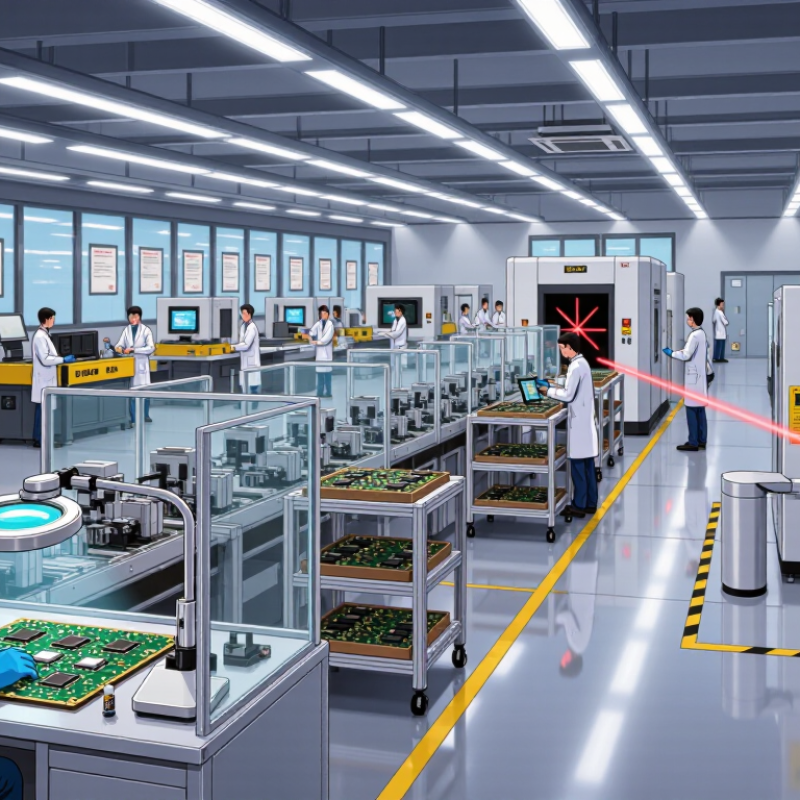
PCB fabrication manufacturers do more than produce flat boards. They turn engineering files into reliable electrical platforms for real products. Their work includes material selection, copper imaging, drilling, plating, solder mask application, and final inspection.
In practical production, small choices matter. A manufacturer checks trace widths, hole sizes, layer alignment, and surface finish requirements before fabrication. Engineers may also review the design for manufacturability. This can reveal crowded vias, weak annular rings, or tolerances that are difficult to control. Early feedback often prevents expensive redesigns.
Quality systems make these manufacturers important. Traceable materials, controlled chemical processes, automated optical inspection, and electrical testing help reduce hidden defects. Experienced teams compare test data with customer specifications, not assumptions.
They also document process changes, because a minor temperature shift can affect plating consistency. That detail is easy to overlook.
No factory is perfect. Even experienced teams miss problems.
A useful manufacturer responds openly when results fall outside expectations. Root-cause analysis should examine equipment, materials, operators, and design files. Corrective action is more valuable than a polished explanation.
Reliable production also depends on clear communication about lead times, achievable tolerances, and regulatory requirements. Buyers should assess technical capability, inspection records, sample quality, and support before choosing a fabrication partner. Cost matters, but unstable quality can create greater expenses during assembly, testing, and field service.
Key Criteria for Comparing Global PCB Fabrication Companies
Top PCB Fabrication Manufacturers Worldwide?
Comparing global PCB fabrication companies requires more than checking unit prices. Start with manufacturing capability. Review layer counts, minimum trace widths, material options, controlled impedance, and drill tolerances. Ask for recent inspection records, not only catalogue specifications. A reliable supplier can explain how each value is measured.
Quality systems deserve close attention. Look for recognized certifications, documented process controls, and complete material traceability. Request sample reports covering solderability, electrical continuity, surface finish, and cross-section analysis. Experienced teams should identify risks before production begins. Their engineers should discuss stack-up design, thermal demands, and possible yield problems in clear language.
Delivery performance also matters. Compare quoted lead times with actual shipment history. Ask how the factory handles material shortages, urgent changes, and rejected batches. Secure data exchange and controlled revision management reduce expensive mistakes. A small pilot order can reveal more than a polished presentation. Check whether the delivered boards match the approved drawings, packaging instructions, and inspection plan. Cost still matters, but the lowest quotation may hide weaker testing or unstable capacity. That is an easy lesson to learn late. No manufacturer performs perfectly every time; the better question is how openly it reports defects and improves its process.
Leading PCB Fabrication Manufacturers by Region and Specialty
Top PCB Fabrication Manufacturers Worldwide?
Leading PCB Fabrication Manufacturers by Region and Specialty
PCB fabrication strength varies by region, application, and production scale. East Asian manufacturers often lead in multilayer boards, fine-line routing, and high-volume consumer electronics. Their factories commonly use automated optical inspection, laser drilling, and tightly controlled copper plating. These details matter when a design includes microvias or thin dielectric layers.
European manufacturers often focus on automotive, industrial, medical, and aerospace requirements. Their strengths include traceability, long product lifecycles, and strict process documentation. A reliable supplier should explain material certificates, impedance testing, and environmental controls without vague language. In North America, many fabricators specialize in quick-turn prototypes, rigid-flex boards, and engineering support. Short communication paths can reduce design errors before production begins.
Regional expertise is useful, but it does not replace factory-level verification. During supplier reviews, I check drill registration, surface-finish consistency, and cross-section reports. Ask how rejected panels are recorded. Ask how humidity is controlled. Small answers reveal process maturity.
Specialty also changes the best choice. High-frequency boards require stable dielectric performance and careful surface treatment. Heavy-copper boards need dependable plating across large thermal paths. Flexible circuits demand controlled bending tests, not just attractive samples. My own assessments are not flawless; a polished audit report can still miss production pressure during peak demand. Independent testing remains wise.
Production Technologies and Industries Served by Major Manufacturers
Top PCB Fabrication Manufacturers Worldwide?
Leading PCB manufacturers combine advanced production technologies with strict process control. High-density interconnect boards often use laser-drilled microvias, sequential lamination, and fine-line copper patterns. These methods support compact devices without sacrificing signal performance. Multilayer fabrication also requires controlled dielectric thickness and accurate registration between layers.
Rigid-flex production adds another challenge. Manufacturers must control bending zones, coverlay placement, and repeated flexing during assembly. High-speed communication boards usually require impedance testing, low-loss materials, and carefully measured surface finishes. Automated optical inspection, X-ray inspection, and flying-probe testing help detect hidden defects. Traceability matters. Each panel should connect to material batches, drilling data, and inspection records.
Different industries demand different evidence of reliability. Automotive electronics face vibration, heat cycles, and moisture. Aerospace systems require lightweight structures and highly documented quality procedures. Medical equipment depends on clean production areas and consistent electrical performance. Telecommunications, industrial automation, renewable energy, and consumer electronics often prioritize throughput, thermal management, or miniaturization.
Production decisions are rarely perfect. A thinner board may save space but increase handling risks. A faster process can create more rework if calibration slips. Small errors compound. Experienced manufacturers review yield data, cross-section samples, and field feedback before changing a process. Still, testing cannot imitate every real-world condition. This limitation deserves attention when buyers compare capability, capacity, and quoted delivery times.
How to Select the Right PCB Fabrication Manufacturer for Your Project
Selecting the right PCB fabrication manufacturer requires more than comparing unit prices. Grand View Research valued the global PCB market at about USD 89.7 billion in 2023, with continued growth expected through 2030. That scale creates many options, but capacity does not guarantee dependable production.
Start with your board’s technical demands. Check layer-count experience, controlled impedance capability, fine-line tolerances, material traceability, and inspection equipment. Ask for sample inspection reports, not only certificates. A capable manufacturer should explain solder-mask alignment, copper thickness, drill tolerance, and thermal testing in clear language. IPC standards can support this evaluation, while ISO 9001 certification helps verify documented quality processes. For automotive or safety-critical projects, sector-specific systems may be essential.
Production evidence matters more than polished websites. Request recent first-pass yield data, corrective-action records, and realistic lead times. IPC’s 2024 Electronics Industry Performance Report highlights continuing pressure from cost, supply-chain uncertainty, and skilled-labor shortages. Those pressures can affect delivery and consistency. A supplier promising every feature immediately may deserve closer questioning.
I learned this the hard way: the cheapest quotation can hide expensive rework. Review tooling charges, engineering fees, minimum order quantities, and freight conditions. Confirm whether prototypes and volume orders use the same process controls. Visit the facility when possible. Look at material storage, humidity control, barcode tracking, and final electrical testing. Some decisions remain imperfect; a smaller supplier with transparent communication may outperform a larger factory with slower technical support. Test that relationship with a pilot order before committing to long-term production.
How to Select the Right PCB Fabrication Manufacturer
This illustrative procurement model assigns a total weighting of 100% to the factors commonly reviewed when comparing PCB fabrication suppliers. Quality and reliability receive the highest priority, followed by technical capability, delivery performance, cost, compliance, and engineering support. Adjust the weights according to your product risk, volume, and certification requirements.