Top 10 Solar PV Batteries for Global Buyers
Choosing the right Solar Pv Battery is no longer a simple comparison of capacity and price. Global buyers must examine chemistry, usable energy, round-trip efficiency, cycle life, warranty terms, and local installation support. A battery beside a rooftop array faces heat, dust, humidity, unstable grids, and changing electricity tariffs. Those conditions can alter performance significantly.
Dr. Imre Gyuk, a respected energy-storage specialist, has stated, “Energy storage is the key to unlocking the full potential of renewable energy.” His view explains why this market deserves careful evaluation. The best battery is not always the largest or cheapest model. It should match the household load profile, inverter compatibility, backup expectations, and regional safety requirements. Buyers should also verify independent testing, thermal protection, monitoring software, and recycling arrangements.
This guide reviews ten leading Solar Pv Battery options for international buyers. Each selection considers practical value, not marketing claims alone. We examine lithium iron phosphate systems, high-voltage designs, modular units, and solutions for commercial applications. Some products perform strongly in warm climates, while others offer better scalability or stronger after-sales networks. No ranking is perfect. Product data can change, and regional availability remains uneven. That matters.
A realistic comparison also requires honest limits. Laboratory cycle figures may not reflect daily household use. Warranty language can be difficult to interpret. Installation quality can decide the final result. Readers should confirm local regulations and obtain advice from qualified professionals before purchasing. This overview offers a dependable starting point, not a substitute for site-specific engineering.
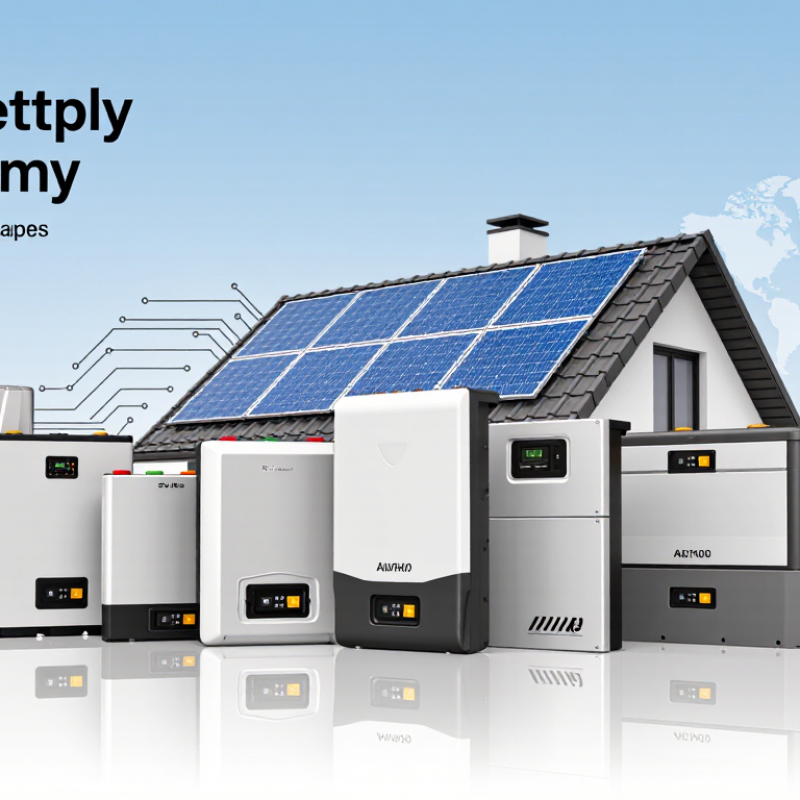
What Solar PV Batteries Are and Why They Matter to Global Buyers
Solar PV batteries store daytime electricity and release it after sunset, during cloudy periods, or during peak-price hours. They use electrochemical cells, battery management systems, inverters, and thermal controls. For global buyers, the value is not simply storage capacity. It is dependable energy at the right time.
The International Energy Agency’s Batteries and Secure Energy Transitions report estimates that battery storage must reach about 1,200 GW by 2030 under its net-zero pathway. IRENA recorded 1,419 GW of global solar capacity at the end of 2023. These figures show why storage is becoming essential as solar generation expands.
A battery can reduce curtailment, support weak grids, and improve backup performance. Not just capacity.
Buyers should compare usable energy, round-trip efficiency, cycle life, degradation, warranty conditions, and response time. Lithium-ion systems remain common, but chemistry choices affect safety, temperature tolerance, weight, and cost. A sunny rooftop project may need evening load shifting, while a remote site may require several days of reserve. The design must match local weather and grid rules. Thermal management matters. So does after-sales service.
Procurement teams should request independent test records and certification against applicable IEC and national standards. They should also check transport limits, replacement procedures, software access, and end-of-life plans. A low purchase price can hide expensive downtime. This is where many comparisons become too simple. Performance data may come from controlled conditions, not dusty, hot sites. Real-world results can differ. That gap deserves careful questioning.
How Battery Chemistries and Storage Technologies Differ
For global solar buyers, battery chemistry often matters more than advertised capacity. Lithium iron phosphate, or LFP, offers strong thermal stability and long cycle life. The International Energy Agency reported that battery storage additions reached almost 42 GW in 2023, a 130% increase from the previous year. This growth favors chemistries that tolerate daily charging.
Nickel-manganese-cobalt cells can deliver high energy density, useful where floor space is limited. However, they require stricter thermal controls. Lead-acid batteries remain practical for smaller off-grid systems, but their usable depth of discharge and cycle life are lower. Flow batteries separate power from energy capacity. They suit long-duration storage, though pumps and larger tanks increase installation complexity. Sodium-ion systems are emerging. Their lower material dependence is promising, but field experience remains limited.
Technology changes the buying decision. Lithium systems commonly achieve about 85–95% round-trip efficiency, according to Lazard’s Levelized Cost of Storage analysis. Flow systems generally operate below that range. The U.S. National Renewable Energy Laboratory also stresses temperature, degradation, and replacement assumptions when comparing storage costs. A battery facing 45°C heat in a rooftop enclosure needs different protection from one installed in a cool utility room.
The ranking can mislead. Capacity is not availability. A 10 kWh battery may provide less after reserve settings, aging, and conversion losses. Buyers should request tested cycle data, warranty conditions, safety certifications, and independent performance records. Some comparisons still use ideal laboratory figures. Real sites are less tidy.
Top 10 Solar PV Battery Technologies: Efficiency Comparison
Indicative typical round-trip efficiency for utility-scale and commercial solar PV storage systems. Values vary with system design, temperature, state of charge, power level, and operating conditions.
Lithium-based systems generally provide the highest efficiency and compact design. Flow batteries offer long cycle life and deep-discharge capability but usually have lower efficiency. Lead-acid technologies remain cost-effective for smaller systems, while sodium-ion and aqueous batteries provide alternatives where material availability, safety, or temperature performance is important.
Key Specifications for Comparing the Top Solar PV Batteries
Top 10 Solar PV Batteries for Global Buyers
Key Specifications for Comparing the Top Solar PV Batteries
Comparing ten solar PV batteries requires more than checking storage capacity. Review usable capacity, not only the advertised total. A 10 kWh battery may provide less after reserve limits and conversion losses. Check nominal voltage and inverter compatibility before installation. A mismatch can delay commissioning and increase costs.
Round-trip efficiency shows how much energy returns after charging. Depth of discharge affects daily usability, while cycle life indicates expected durability. Examine the battery’s continuous power rating, peak output, operating temperature, and enclosure rating. Outdoor systems may face dust, humidity, or freezing nights. Safety certifications and documented test reports also matter. Warranty terms need careful reading, especially throughput limits and end-of-life capacity. A longer warranty is not always better.
Tips: Build a comparison sheet with usable kWh, continuous kW, efficiency, cycle life, voltage range, and warranty conditions. Ask for independent certificates and installation requirements. Confirm local grid rules and qualified service support. Do not compare figures from different test conditions. That mistake is common. Real household demand also matters; a battery designed for evening lighting may struggle with pumps or induction cooking. I would leave space for uncertainty, because temperature, maintenance, and charging habits can change field performance. A perfect ranking is difficult.
Top 10 Solar PV Batteries Across Major Global Markets
Top 10 Solar PV Batteries Across Major Global Markets
Global buyers need more than a high capacity figure when selecting solar PV batteries. Practical procurement experience shows that chemistry, climate, installer skill, and grid rules matter equally. Lithium iron phosphate batteries suit Australia, South Africa, and many European homes because they offer strong thermal stability and daily cycling. High-voltage lithium systems can support larger villas and small commercial sites. Nickel-manganese-cobalt options remain compact, but buyers should examine thermal management carefully.
In North America, modular batteries with backup controls often match time-of-use tariffs and outage planning. In Japan, compact systems may fit smaller homes and strict installation spaces. Southeast Asian projects need corrosion resistance, reliable ventilation, and protection from humid heat.
Cold-weather markets require battery heating, insulated enclosures, and verified low-temperature charging performance. For remote areas in Africa and Latin America, rugged off-grid systems with simple monitoring can be more valuable than maximum software features. They should also support local service access.
The remaining strong choices include sodium-ion systems, lead-carbon batteries, and industrial lithium packs for special operating conditions. Sodium-ion technology may help where cold performance and material availability matter, though product maturity differs. Lead-carbon systems can reduce upfront costs, but their shorter usable life needs honest financial modelling.
Buyers should compare usable capacity, round-trip efficiency, cycle warranty, fire protection, enclosure ratings, and recycling arrangements.
Ten categories sound clear. Real projects are messier.
A battery that performs well in a dry European garage may struggle beside a humid coastal inverter. Independent testing and local compliance checks remain essential.
How to Select, Install, and Maintain a Suitable Solar Battery
Selecting among the top ten solar PV batteries requires more than comparing storage capacity. Check usable energy, cycle life, round-trip efficiency, depth of discharge, and warranty conditions. The battery must match the inverter’s voltage range and communication protocol. Local temperature also matters. A battery designed for mild weather may lose performance in a cold garage or a hot utility room.
A professional installer should inspect the wall, floor, cable route, ventilation, and emergency access before installation. Follow the manufacturer’s clearance requirements and local electrical rules. Use correctly rated protection devices, secure terminals, and a documented commissioning test. Never place the battery beside heaters, flammable materials, or areas prone to flooding. Small details matter.
After commissioning, monitor state of charge, temperature, alarms, and unusual changes in daily output. Keep software updated when approved, and arrange periodic inspections of cables, enclosures, and mounting points. Do not repeatedly drain the battery to its minimum level without a clear need. In field assessments, poor settings often reduce performance more than aging itself. No checklist is perfect. Record real operating data, question unexpected results, and adjust settings carefully with qualified support. A slightly oversized system may be wasteful, while an undersized one may disappoint during cloudy weeks.